


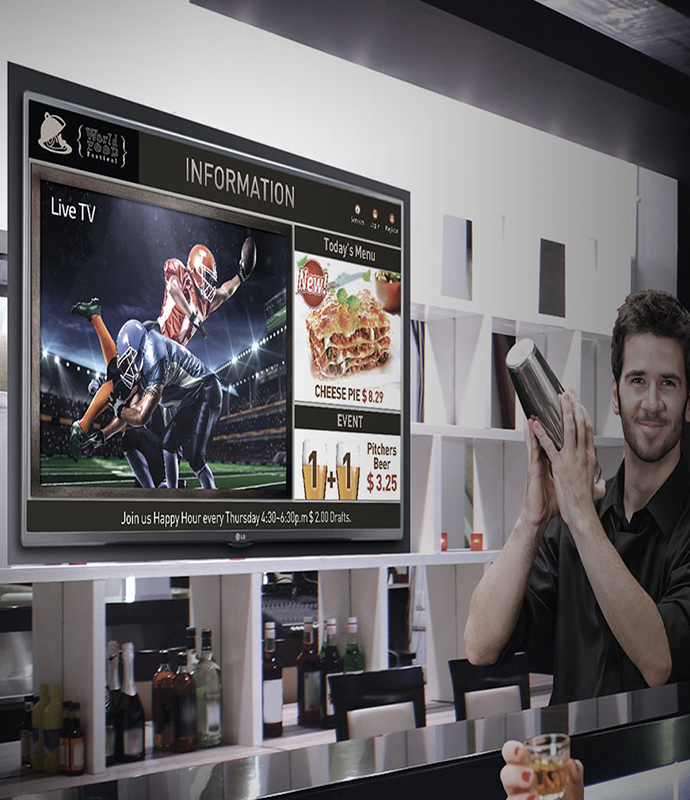
Why are professional displays different from consumer TVs?
Below, we highlight the key differences and explain why professional displays are purpose-built for commercial and critical environments—unlike conventional televisions.
SAFETY & THERMAL MANAGEMENT
Professional Displays: Professional displays are specifically engineered for continuous operation in demanding environments. They feature advanced internal cooling systems designed to withstand heat buildup, ensuring stable performance over long periods of use without the risk of overheating.
Consumer TVs: Televisions are designed for home environments, where light exposure is moderate and usage is intermittent. As a result, they lack robust cooling systems. When used continuously or installed in commercial or outdoor environments—especially during hot days—consumer TVs tend to overheat quickly, leading to malfunctions and reduced lifespan.
DESIGN & FORM FACTOR
Professional Displays: Built with versatility in mind, professional displays feature ultra-thin bezels and no side buttons, allowing multiple screens to be seamlessly combined into video walls of various formats and sizes. A single image can be perfectly synchronized and displayed across all screens, creating a cohesive visual experience.
Consumer TVs: Designed for residential use, consumer TVs typically have thicker bezels due to integrated buttons and controls. Their display orientation and signal handling are limited, making it difficult to assemble multiple screens while maintaining image continuity and alignment.
LIFESPAN & INTERNAL COMPONENTS
Professional Displays: These displays are designed for extended continuous operation, including 24/7 use. Retail stores, control rooms, and corporate environments often require screens to run for long hours without interruption. For this reason, professional displays use more durable components, minimizing failures and reducing maintenance needs.
On average, they offer a lifespan of approximately 5 years and 8 months, maintaining high levels of brightness, contrast, and image quality throughout their lifecycle.
Consumer TVs: Consumer televisions are engineered for an average daily use of around 6 hours. Their internal components are not designed for continuous operation, which makes them unsuitable for 24/7 environments. Under normal home use, a TV typically lasts about 5 years, but this lifespan is significantly reduced when used in commercial scenarios.
BRIGHTNESS = VISIBILITY & IMPACT
Professional Displays: Professional displays deliver brightness levels up to three times higher than standard TVs. They are designed to perform well even in high-ambient-light environments, including outdoor or semi-outdoor locations. Anti-glare technology ensures excellent visibility from multiple viewing angles, making content easy to see and highly effective at capturing attention.
Consumer TVs: Home TVs are optimized for indoor lighting conditions. When installed in bright environments, their limited brightness makes content difficult to see. Additionally, consumer TVs tend to reflect more ambient light, further compromising visibility and reducing the impact of on-screen information.
Article source: grupodigital.com.br
clients
Global projects, enabling broad and efficient management and control of operations.















14 +
YEARS OF EXPERIENCE WITH VIDEOWALL SOLUTIONS
27 +
PROJECTS IN DIFFERENT COUNTRIES AND REGIONS
1000 +
SUCCESSFULLY DELIVERED PROJECTS




NEWS & ARTICLES
Stay up to date with the latest news, trends, and relevant content in the health and technology sectors.
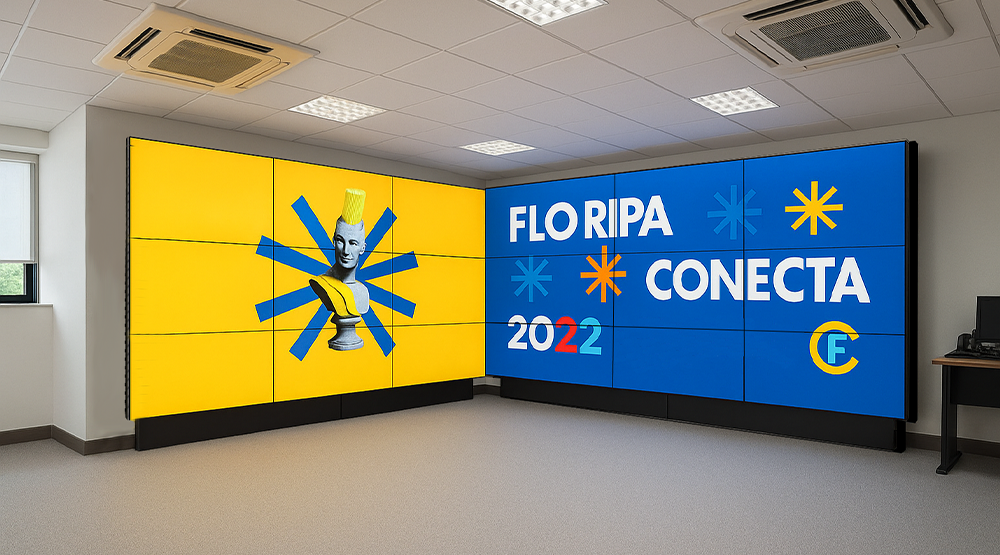
Powerful integrations: How WallVision connects everything in one place html Copiar código
Rodrigo H. Martins | Head of Technology GRUPO DIGITAL
SEE MORE »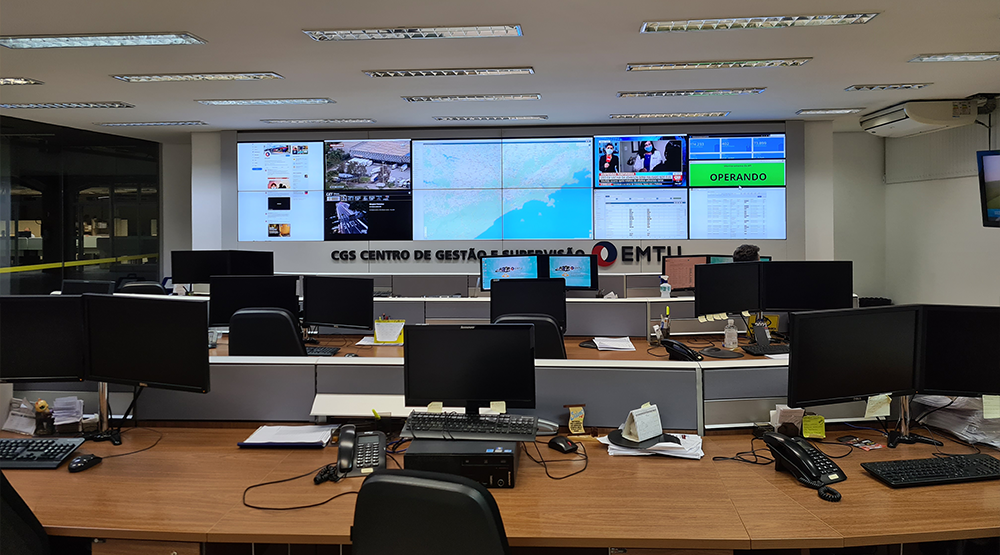
What really makes a video wall efficient?
Rodrigo H. Martins | Head of Technology GRUPO DIGITAL
SEE MORE »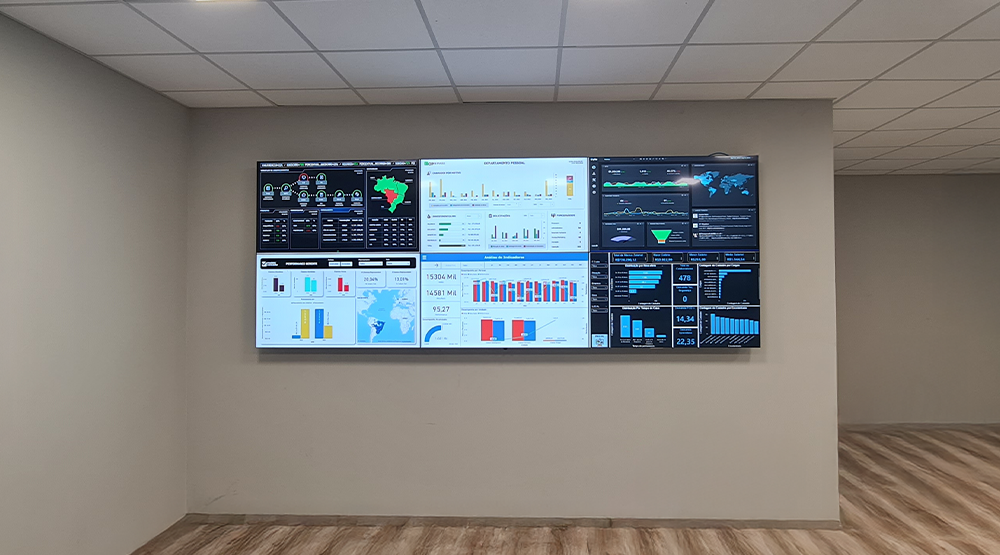
Dynamic content distribution: strategies for real-time visual prioritization
Rodrigo H. Martins | Head of Technology GRUPO DIGITAL
SEE MORE »Get Our Services
Software with a highly intuitive interface, providing the best tools for information sharing.